


Reformer Pilates for Chronic Pain
.jpeg)
In this article, we explore the science behind Pilates for chronic pain and how a physiotherapy-led approach can support long-term relief.
Living with chronic pain can feel like carrying an invisible weight. Whether it shows up as a persistent ache in your lower back or tension that never quite leaves your neck, ongoing pain affects far more than your body. It shapes your sleep, your mood, and your willingness to move at all.
At The Pilates Clinic in Wimbledon, we work with many clients managing long-term pain conditions. Our physiotherapy-led approach combines clinical expertise with the controlled, low-impact movements that make Pilates such an effective tool for pain management.
What the Research Shows
A randomised controlled trial published in BMC Psychology in 2025 examined the effects of Reformer Pilates on adults with chronic low back and neck pain. The study followed 54 women aged 30 to 50, with the intervention group completing a six-week programme of twice-weekly, 45-minute Reformer sessions.
The results were encouraging across multiple measures. Participants in the Pilates group showed statistically significant improvements in pain intensity, fatigue levels, and sleep quality compared to controls. Crucially, the study found that the improvements in pain and fatigue reached the threshold for clinical significance, meaning the changes were large enough to make a real difference in daily life.
Beyond the Physical: Psychological Benefits
Chronic pain often comes bundled with fear. Many people develop kinesiophobia, a fear of movement driven by the worry that exercise will make things worse. This can create a vicious cycle where avoiding activity leads to deconditioning, which in turn increases pain sensitivity.
The 2025 study found that Reformer Pilates had a large effect on reducing this fear of movement. The controlled, supported nature of the reformer allows people to rebuild confidence in their bodies gradually. Springs provide assistance or resistance as needed, and the lying and seated positions reduce load on sensitive areas while still challenging the stabilising muscles that support the spine.
Why Reformer Pilates Works for Pain Management
Several factors make the reformer particularly well-suited for people with chronic musculoskeletal pain:
- Variable resistance through spring settings allows precise control over exercise intensity
- Supported positions reduce compression on painful joints and vertebrae
- Focus on alignment and breathing promotes body awareness and helps identify movement patterns that may contribute to pain
- Core strengthening targets the deep stabilising muscles that protect the spine
- Low-impact nature means sessions build strength without the jarring movements that can flare symptoms
Getting Started Safely
If you have been living with chronic pain, the prospect of starting any exercise programme can feel daunting. This is where working with qualified instructors makes a difference. At our Wimbledon studio, all sessions are led by physiotherapists or Pilates instructors with clinical training. We take time to understand your specific condition, your pain patterns, and your goals before designing a programme tailored to you.
For many people with chronic pain, one-to-one sessions offer the best starting point. These allow your instructor to modify every exercise in real time and progress at a pace that suits your body. As confidence builds, some clients transition to our small group reformer classes, where the social element adds another layer of support.
Taking the Next Step
Research continues to support what our clients experience firsthand: that consistent, well-guided Reformer Pilates can help reduce pain, improve sleep, and restore the confidence to move again. If chronic pain has been holding you back, our team is here to help you find a way forward.
Book a consultation to discuss your needs, or explore our packages and pricing to find the right option for you.


Chronic pain and poor sleep often go hand in hand. Research shows that reformer Pilates can help reduce pain, improve movement confidence, and support better sleep quality, helping to break the cycle and improve everyday wellbeing.

Since 2000, Lisa Lamberti has built The Pilates Clinic into one of Wimbledon’s most trusted studios, a BASI faculty-led centre with rehabilitation at its core.
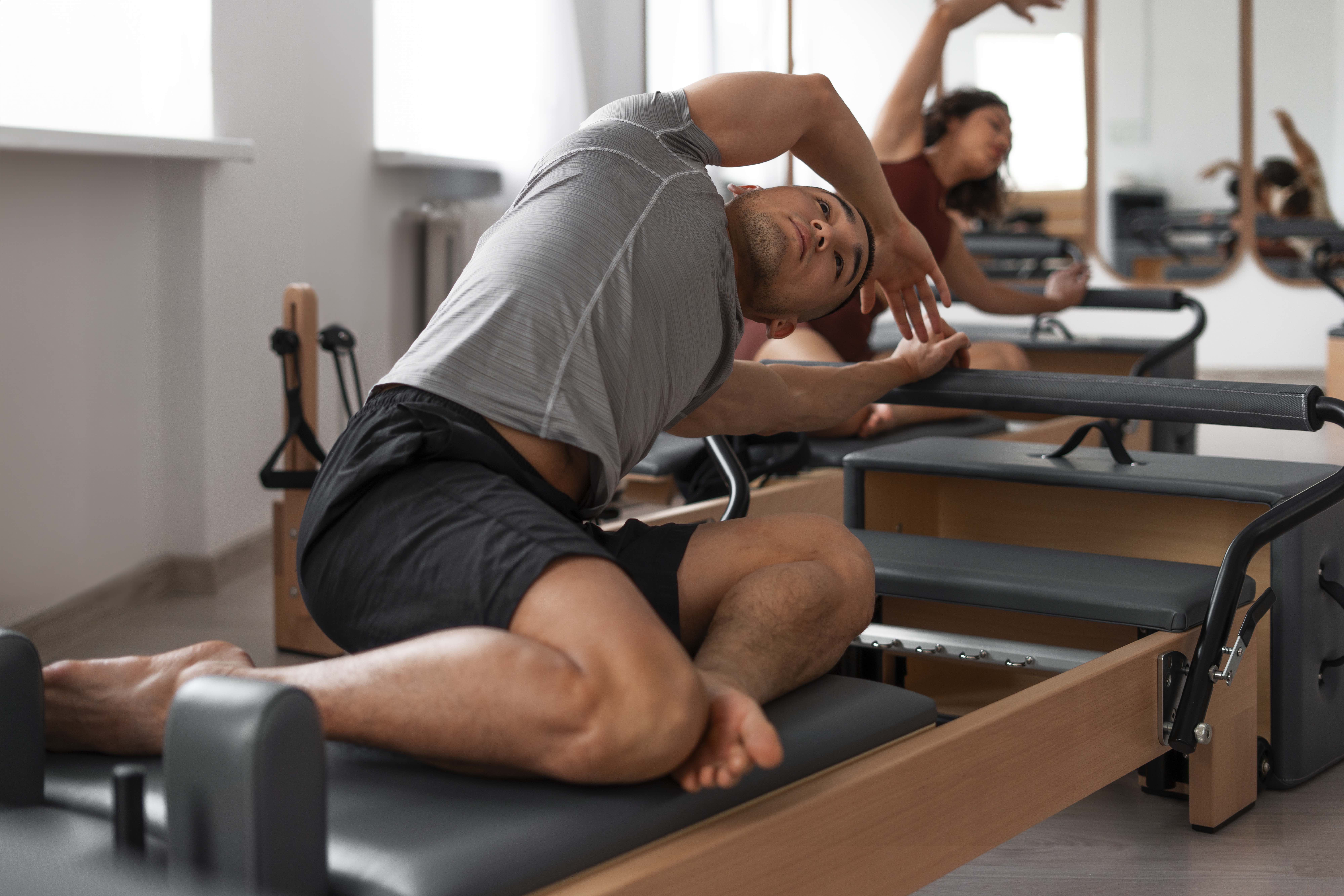
Pilates for men is rapidly shifting from niche to necessity, especially for those dealing with tight hips, back pain, or desk-related stiffness. At The Pilates Clinic in Wimbledon, reformer Pilates for men is used to improve mobility, core strength, and long-term injury resilience—backed by emerging research and real-world clinical results.


Follow us on Social media


