


Mat vs Reformer Pilates: Differences and the BASI Approach
Pilates, widely acclaimed for enhancing physical strength, flexibility, and mental clarity, is predominantly practiced in two main forms: Mat Pilates and Reformer Pilates. Each offers unique benefits and caters to different fitness goals and preferences.
Pilates, widely acclaimed for enhancing physical strength, flexibility, and mental clarity, is predominantly practiced in two main forms: Mat Pilates and Reformer Pilates. Each offers unique benefits and caters to different fitness goals and preferences. At The Pilates Clinic, we embrace the BASI (Body Arts and Science International) Pilates method, known for its structured, comprehensive, and holistic approach.
Mat Pilates: The Foundation of Pilates Practice
Mat Pilates is performed on a simple exercise mat and utilizes body weight as the primary resistance. Key characteristics include:
• Core Strength Emphasis: Exercises are specifically designed to strengthen abdominal muscles and the lower back.
• Flexibility and Mobility: Promotes enhanced flexibility through controlled, flowing movements.
• Accessibility and Simplicity: Ideal for beginners, easily performed at home or in group settings.
According to BASI Pilates, mat practice forms the foundational layer of Pilates, establishing essential movement principles and alignment awareness.
Reformer Pilates: Advanced Training with Equipment
Reformer Pilates involves specialized equipment known as the Reformer, featuring springs, pulleys, ropes, and a moving carriage. Significant advantages include:
• Adjustable Resistance: Springs provide variable resistance, facilitating personalized workouts suitable for all fitness levels.
• Greater Range of Exercises: Allows for more complex movements targeting precise muscle groups effectively.
• Enhanced Alignment and Posture: Supports correct body positioning, reducing injury risk, and enhancing muscle efficiency.
BASI Pilates emphasizes a balanced body approach, utilizing the Reformer to achieve comprehensive physical conditioning and rehabilitative benefits.
Why Reformer Pilates is the Ultimate Wellness Equipment
The Reformer uniquely combines strength training, flexibility enhancement, and cardiovascular conditioning, positioning it as an ultimate addition to any wellness routine:
• Full-body Conditioning: Exercises engage multiple muscle groups simultaneously, promoting overall strength and balanced muscular development.
• Injury Rehabilitation and Prevention: Controlled resistance and guided movements facilitate safe rehabilitation from injuries and help prevent new ones.
Tailored Workouts: Versatility accommodates specific fitness objectives, from gentle rehabilitative sessions to intense athletic training.
At The Pilates Clinic, the integration of the BASI method with Reformer Pilates ensures structured, effective, and individualized sessions that cater precisely to each client’s wellness journey.
In Summary:
• Mat Pilates: Accessible, foundational, primarily bodyweight-focused.
• Reformer Pilates: Advanced, versatile, equipment-assisted for greater precision.
• BASI Pilates: Combines both, structured for holistic physical and mental wellness.
Experience the BASI Pilates difference at The Pilates Clinic in Wimbledon, and discover how Reformer Pilates can elevate your wellness routine.


Chronic pain and poor sleep often go hand in hand. Research shows that reformer Pilates can help reduce pain, improve movement confidence, and support better sleep quality, helping to break the cycle and improve everyday wellbeing.

Teaching since 2000 First studio in 2002 Opening Wimbledon in 2012 BASI Faculty role Why rehabilitation matters Success stories How Pilates has evolved
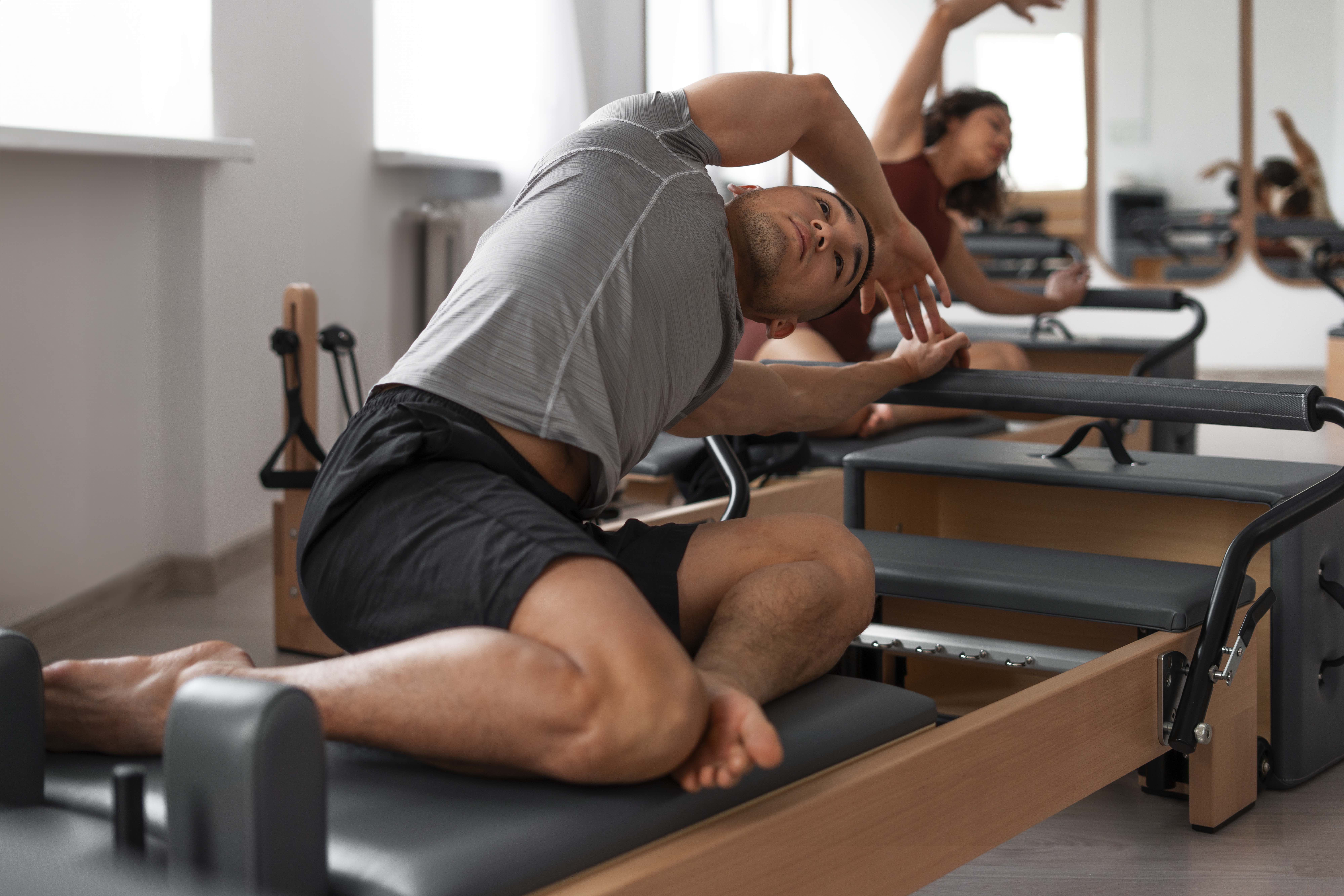
Pilates for men is rapidly shifting from niche to necessity, especially for those dealing with tight hips, back pain, or desk-related stiffness. At The Pilates Clinic in Wimbledon, reformer Pilates for men is used to improve mobility, core strength, and long-term injury resilience—backed by emerging research and real-world clinical results.


Follow us on Social media


